
Balanced Nutrition for Rehearsal and Performance Days
Rehearsal and performance days are exciting, but they also place huge demands on a dancer’s body. Long studio hours, limited breaks, travel, nerves, costume changes, and intense activity all increase the importance of consistent nutrition. Add in homework and changing schedules, and it is easy for meals and snacks to get pushed aside.
Dancers need consistent fuel to get through those demanding days. Food supports energy for movement, concentration while learning choreography, recovery between activities, growth, bone health, and overall well-being. The goal is not to follow a strict diet or eat perfectly. It is to make sure dancers have enough food and fluids available throughout the day.
Think in Terms of “Fuel Stops”
During a regular school day, three meals may be enough for some people. On a studio, rehearsal or performance day, dancers often need additional snacks to keep their energy steady.
Rather than waiting until the day is over to eat a large meal, think of the schedule as a series of fuel stops:
Breakfast
A morning snack, if needed
Lunch
A snack before class or rehearsal
Food during a rehearsal break
A snack after dancing
Dinner
An evening snack, if needed
The timing will look different for every dancer. The important thing is to avoid going long stretches without eating, especially when the body is working hard. Regular meals and snacks can help dancers feel more energized, focused, and prepared to participate.
Start With a Breakfast That Holds You Over
A rushed breakfast of only coffee, juice, or a small piece of fruit may not be enough to support a full day of dancing. When possible, try to include a combination of carbohydrates, protein, and fruit or veggies.
Some easy options include:
Oatmeal made with milk and topped with fruit
Avocado toast with eggs and tomato
Yogurt with granola and berries
A breakfast sandwich with fruit
A smoothie made with milk or yogurt, fruit, and nut/seed butter
A bagel with cream cheese and a side of eggs
Carbohydrates help provide energy for dancing, while protein and fat can make a meal more satisfying. Fruit and vegetables add vitamins, minerals, and fiber.
Mornings can be hectic, so it may help to prepare breakfast the night before. Overnight oats, hard-boiled eggs, breakfast burritos, and smoothies can all be prepared ahead of time and taken on the go.
Choose Snacks That Fit the Moment
The best snack depends on when the dancer will eat it and what feels comfortable before movement. A snack eaten two or three hours before rehearsal can be larger and more filling. Something eaten right before class may need to be smaller and easier to digest.
Earlier in the day, a dancer might enjoy a sandwich, yogurt with granola, or crackers with cheese. Closer to class, simpler options may work better, such as:
Banana
Applesauce
Pretzels
Cereal or granola bar
Toast
Fruit snacks
Smoothie
There is no need to try a brand-new food right before an important performance. Regular class days are a good time to figure out which foods help each dancer feel comfortable and energized.
Keep the Dance Bag Stocked
Packing food ahead of time can make busy days much less stressful. Dancers likely cannot rely on finding something at the studio or venue, especially when schedules change.
Easy portable choices include:
Granola or cereal bars
Pretzels and crackers
Dried fruit
Applesauce pouches
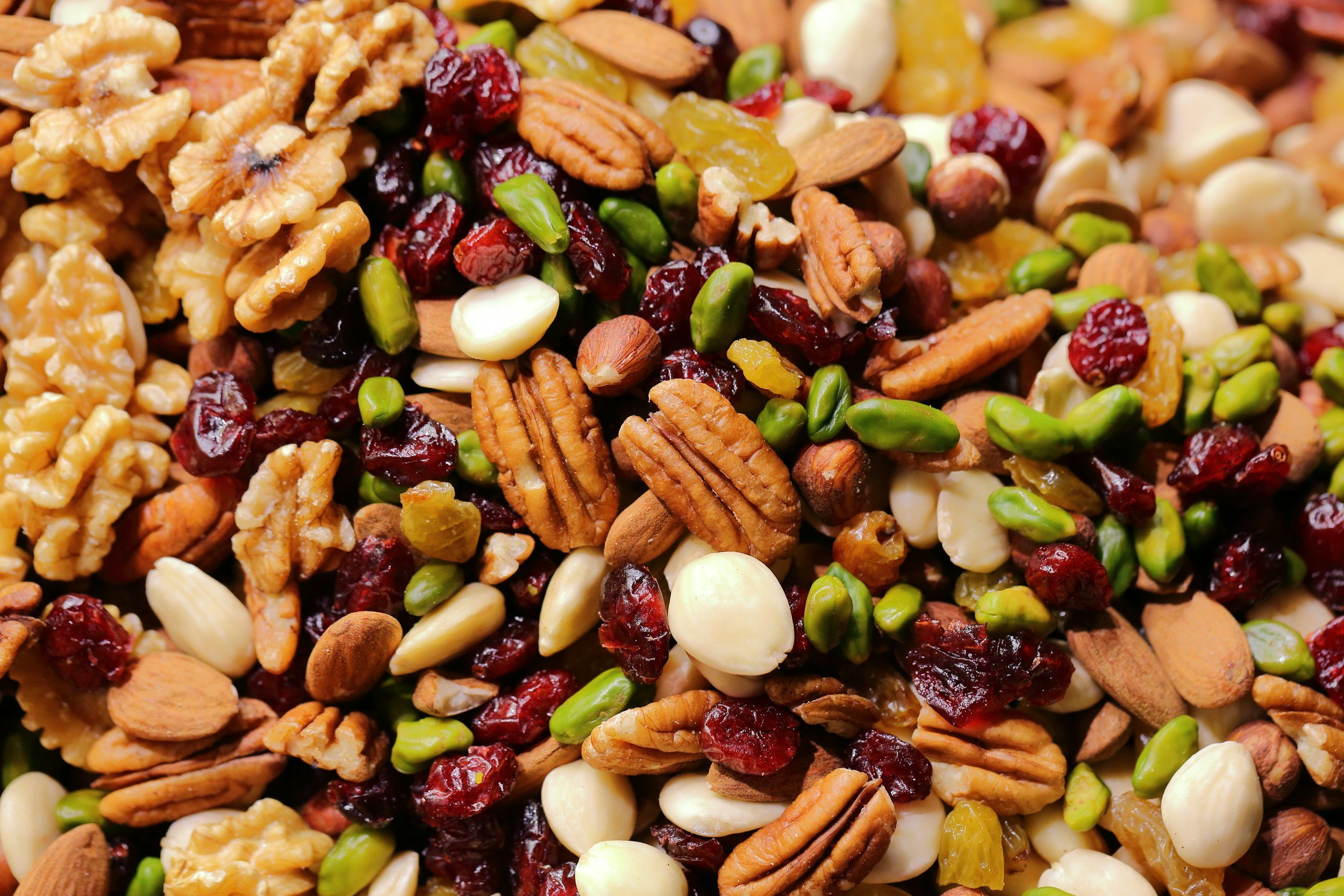
Trail mix
Nut or seed butter packets
Fresh fruit
Sandwiches or wraps
Cheese sticks
Yogurt in an insulated lunch bag
Hummus with pita or vegetables
It is also helpful to keep an extra shelf-stable snack in the dance bag for unexpected delays. A small cooler with an ice pack can provide even more options during an all-day rehearsal or performance event.
Remember to Drink
Hydration is easy to overlook when everyone is focused on getting through class or making a quick costume change. Encourage dancers to bring a water bottle and sip regularly throughout the day.
Drinking with meals and snacks, as well as during scheduled water breaks, can help dancers stay comfortable and focused. More fluid may be needed during long rehearsals, outdoor performances, warm studio conditions, or multiple shows.
While water is appropriate for many classes and rehearsals, a beverage with carbohydrates and electrolytes may be useful for prolonged or particularly intense activity. Energy drinks are not a replacement for food or water and may contain more caffeine than is appropriate for young dancers.
Make Time for Recovery
Even after a rehearsal or performance, the body still needs fuel. A recovery snack is especially helpful if dinner will be delayed because of travel, cleanup, or a late call time. Look for choices that contain both protein and carbohydrates.
Try options such as:
Chocolate milk
Yogurt and fruit
Turkey, chicken, or cheese sandwich
Smoothie
Crackers with hummus or cheese
Peanut butter toast
When it is time for dinner, aim for a combination of carbohydrates, protein, fruit/veg, and a source of fat. Examples include chicken with rice and vegetables, pasta with meat sauce and salad, or a bean-and-cheese burrito with fruit.
Keep Performance Days Familiar
Performance days can bring excitement and nerves, which may affect appetite. Familiar foods, smaller portions, and regular snacks may feel more manageable than large meals.
Parents can help by reviewing the schedule, packing extra food, and building in time to eat without rushing. It is also important to keep conversations focused on energy, health, and performance rather than weight or body shape.
Every dancer has different nutritional needs based on age, growth, activity level, health, and preferences. A registered dietitian or qualified healthcare professional can offer personalized guidance, especially for dancers with allergies, medical conditions, digestive concerns, or signs of under-fueling.
With a little planning, food does not have to be another source of stress during rehearsal and performance season. Regular meals, convenient snacks, and consistent hydration can help dancers feel ready to learn, move, perform, and recover.